
Student
How the 2025 Immigration Levels Plan Impacts International Students
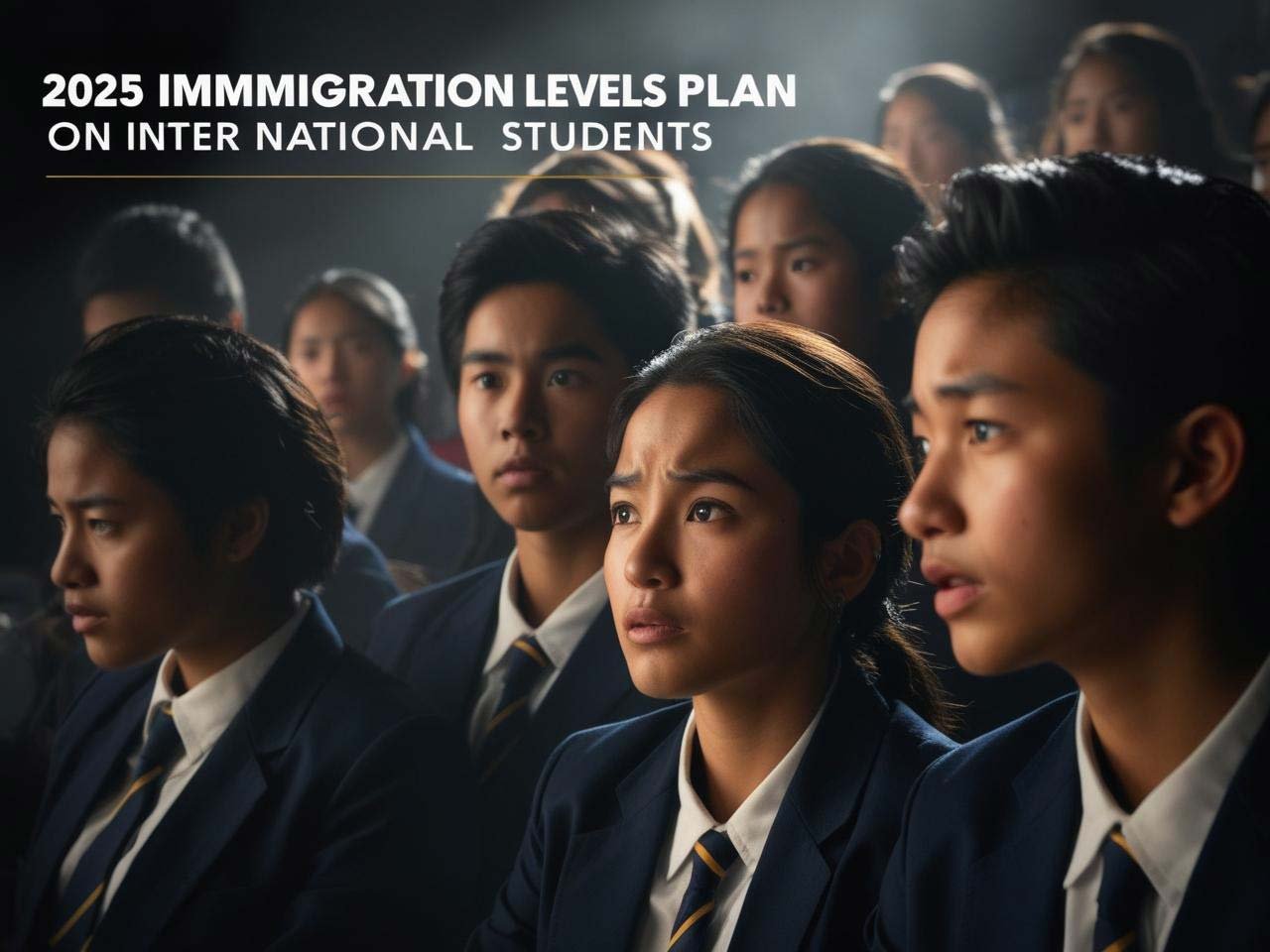
Canada continues to be a top destination for international students, offering world-class education and promising pathways to permanent residency (PR). The 2025 Immigration Levels Plan, released by the Canadian government, sets ambitious targets for welcoming newcomers, and international students are a key part of this strategy.
In this post, we’ll dive into the highlights of the 2025 Immigration Levels Plan, its impact on international students, and how you can leverage these changes to achieve your goals in Canada.
Highlights of the 2025 Immigration Levels Plan
The 2025 Immigration Levels Plan aims to welcome 500,000 new permanent residents annually by 2025. Key targets relevant to international students include:
- Economic Class Pathways: A significant portion of PR spots are allocated to programs like Express Entry and the Provincial Nominee Program (PNP).
- Focus on Retaining Talent: Targeted programs aim to retain skilled international students who graduate from Canadian institutions.
- Category-Based Express Entry Draws: Introduced in 2023, these draws prioritize candidates in high-demand fields, including STEM, healthcare, and trades—many of which align with the skills of international graduates.
Impact on International Students
1. Increased PR Opportunities
The expanded targets in economic immigration pathways mean more opportunities for international students to transition to PR.
- Programs like Canadian Experience Class (CEC) under Express Entry favor those with Canadian education and work experience.
- PNPs are increasingly targeting international graduates to meet local labor market needs.
2. Enhanced Post-Graduation Work Opportunities
With a growing focus on retaining skilled talent, policies around the Post-Graduation Work Permit (PGWP) remain supportive.
- PGWPs allow students to gain Canadian work experience, which boosts their Express Entry CRS score.
- Certain provinces offer additional streams for PGWP holders under their PNPs.
3. Focus on High-Demand Skills
The category-based draws introduced in Express Entry align well with the qualifications of international students in fields like:
- Technology (e.g., computer science, IT).
- Healthcare (e.g., nursing, medical research).
- Skilled trades (e.g., engineering, construction).
Graduates in these fields may find it easier to secure invitations to apply for PR.
4. Regional Opportunities Through PNPs
Provinces and territories are actively targeting international students who studied locally. For example:
- Ontario: Ontario Immigrant Nominee Program (OINP) has streams for international students with job offers.
- British Columbia: BC PNP focuses on graduates in tech and healthcare sectors.
- Atlantic Provinces: The Atlantic Immigration Program (AIP) offers pathways for graduates who want to stay in the region.
Challenges for International Students
While the plan creates more opportunities, challenges remain:
- High Competition: Increased targets mean more applicants; a strong CRS score or provincial nomination is crucial.
- Work and Study Balances: Balancing part-time work and studies while meeting PR requirements can be demanding.
- Post-Graduation Transition: Understanding PR pathways and aligning career goals with immigration options is essential.
FAQs About the 2025 Immigration Levels Plan for International Students
Q1: Can international students directly apply for PR under the 2025 plan?
A: While international students cannot directly apply, programs like Express Entry and PNP offer clear pathways to PR for those who meet eligibility requirements.
Q2: How does the PGWP support PR applications?
A: The PGWP provides valuable Canadian work experience, which boosts CRS scores under Express Entry and strengthens eligibility for PNP streams.
Q3: Are there specific streams for international graduates?
A: Yes, many PNPs, such as Ontario’s International Student Stream and BC’s International Graduate Stream, are tailored for graduates of Canadian institutions.
Q4: How do category-based Express Entry draws help students?
A: These draws prioritize candidates with experience in high-demand fields like STEM, aligning with the qualifications of many international graduates.
Q5: What are the benefits of studying in smaller provinces?
A: Smaller provinces often have targeted PNP streams and lower competition, offering better chances for PR.
Conclusion
The 2025 Immigration Levels Plan offers international students more opportunities than ever to build a future in Canada. With expanded PR pathways, a focus on retaining skilled graduates, and region-specific options through PNPs, the plan is designed to make Canada an even more attractive destination for international talent.
If you’re an international student, now is the time to align your academic and career goals with Canada’s immigration pathways. Stay informed, plan strategically, and take advantage of the opportunities this updated plan provides.
Have questions about how this plan impacts you? Share them in the comments below!
Education
New Rules for Transferring Schools as an International Student in Canada: What You Need to Know

Studying in Canada is a dream for many international students. The quality of education, multicultural environment, and opportunities for growth make Canada a popular choice. However, transferring between schools as an international student can seem overwhelming. The good news? Recent updates to Canadian immigration policies have made the process simpler and more transparent. Let’s break down everything you need to know about transferring schools as an international student in Canada under the new rules.
Key Changes for Transferring Schools
The Canadian government has introduced new measures that allow international students to transfer between Designated Learning Institutions (DLIs) without facing long waiting periods. These changes aim to provide flexibility, especially for those who need to make adjustments in their academic journey.
What Are Designated Learning Institutions (DLIs)?
A DLI is an educational institution approved by a provincial or territorial government to host international students. If a school is not a DLI, you won’t be able to attend on a study permit.
Transfer Guidelines Under the New Rules
Under the new rules, international students can now transfer between DLIs more easily. Here’s what has changed:
- No Need for Study Permit Changes: Previously, students had to wait until their new study permit application was approved before transferring schools. The new rules allow students to start at the new institution while the permit transfer is processed.
- Immediate Enrollment: Students can transfer to a new school and begin classes right away without waiting for paperwork to be fully processed.
- Reduced Application Processing Time: The updated rules ensure that transfer applications are processed swiftly, giving students more freedom to manage their academic timelines.
Steps to Transfer Schools
If you’re considering transferring schools as an international student, here’s a simplified guide:
- Choose a New Designated Learning Institution (DLI): Research and select a school that meets your academic needs.
- Obtain an Offer Letter: Your new school will provide an offer letter confirming your admission.
- Notify Your Current Institution: Inform your current school about your transfer.
- Apply for a Transfer: Submit your transfer application to Immigration, Refugees, and Citizenship Canada (IRCC).
- Start Classes at the New Institution: After approval, you can begin classes at your new school.
Frequently Asked Questions (FAQs)
- Can I transfer schools while my study permit is still valid?
Yes, you can transfer schools without needing to wait for a new study permit. - Do I need to inform my current school?
Yes, it is important to notify your current school about your intention to transfer. - How long will it take for my transfer to be approved?
The new rules aim to process transfer applications quickly, typically within a few weeks. - What if my transfer application is denied?
You will be notified of the reason for denial and will have the option to appeal or provide additional documentation. - Is there a limit on how many times I can transfer schools?
There is no strict limit on the number of times you can transfer, but transfers should be for valid academic or personal reasons.
Related Information
If you want more detailed information on the current transfer measures, you can visit CanadaWale’s detailed guide on IRCC DLI transfer measures.
Conclusion
The new rules for transferring schools as an international student in Canada make it easier and faster to change your educational path. Whether it’s due to a better academic fit or unforeseen circumstances, these updates ensure that international students can smoothly transition between schools without unnecessary delays. Be sure to check with your institution and the Canadian immigration authorities to ensure all steps are followed correctly.
Source
For more details on these new rules, refer to CIC News.
Education
IRCC Introduces New Measures for International Students Changing Schools in 2025
Immigration, Refugees and Citizenship Canada (IRCC) has introduced new measures to assist international students planning to transfer between Designated Learning Institutions (DLIs) in early 2025. These transitional measures aim to simplify the process and minimize disruptions to students’ academic journeys.
Key Changes for Transferring Students
Starting in the winter and spring semesters of 2025, international students in Canada can commence their studies at a new DLI before receiving a new study permit, provided they meet specific conditions:
- Acceptance at a New DLI: Students must have secured admission to a new DLI for the winter or spring 2025 intake.
- Application for Study Permit Extension: An application to IRCC for a new study permit through a study permit extension must be submitted.
- Valid Current Study Permit: The existing study permit should not list the name of the new DLI.
- Compliance with Study Permit Conditions: Students must continue to adhere to all terms of their current study permit.
Previously, international students were required to obtain approval for a new study permit before transferring to a different DLI. This change allows for a more seamless transition between institutions.
Implications for Post-Graduation Work Permit (PGWP) Eligibility
The timing of the study permit application and the chosen level of study can influence eligibility for the Post-Graduation Work Permit (PGWP):
- Applications Submitted Before November 1, 2024:
- University Bachelor’s, Master’s, or Doctoral Programs: No additional field of study requirements.
- Other University Programs: No additional field of study requirements.
- College or Non-University Programs: No additional field of study requirements.
- Applications Submitted After November 1, 2024:
- University Bachelor’s, Master’s, or Doctoral Programs: No additional field of study requirements.
- Other University Programs: Must graduate from an eligible field of study.
- College or Non-University Programs: Must graduate from an eligible field of study.
Additionally, all international students applying for a PGWP must meet new language eligibility criteria. This includes demonstrating language proficiency through an IRCC-approved language test in English or French. University program students need a Canadian Language Benchmark (CLB) level 7, while college or non-university program students require a CLB level 5.
Standard Process for Future Transfers
For students planning to transfer DLIs after the winter or spring 2025 semesters, different conditions will apply:
- Residency in Canada: Students must have remained in Canada since receiving a letter of admission from the new DLI.
- Compliance with Previous Study Permit Conditions: Ongoing adherence to the terms of the previous study permit is required.
- Status of Previous DLI: Before completing their prior course or program, the former DLI must have either closed, discontinued the course or program, been placed on the suspension list, or lost its designated status.
These measures are designed to provide flexibility and support to international students during their academic transitions within Canada.
Additional Resources
For more detailed information on Canada’s international student program regulations for 2025, you can refer to this resource: Canada International Student Program Regulations 2025.
Additionally, for insights into Canada’s new immigration pathways and eligibility criteria, consider this guide: Canada’s New Immigration Pathways: RCIC & FCIC Eligibility Criteria.
FAQs
What are the new measures for international students changing DLIs in 2025?
IRCC now allows international students to begin studies at a new DLI before receiving a new study permit, provided they meet specific conditions, including acceptance at the new DLI, application for a study permit extension, holding a valid current study permit, and compliance with existing study permit conditions.
How does transferring DLIs affect PGWP eligibility?
PGWP eligibility may be influenced by the timing of the study permit application and the level of study. Applications submitted after November 1, 2024, may require graduation from an eligible field of study, and all applicants must meet new language proficiency criteria.
What conditions must be met to start studying at a new DLI before receiving a new study permit?
Students must have been accepted at the new DLI for the winter/spring 2025 semester, applied for a new study permit via a study permit extension, hold a valid study permit that does not have the new DLI’s name, and continue to meet all existing conditions of their study permit.
What are the language proficiency requirements for PGWP applicants?
University program students must demonstrate language proficiency equivalent to a Canadian Language Benchmark (CLB) level 7, while college or non-university program students require a CLB level 5, proven through an IRCC-approved language test.
What is the standard process for transferring DLIs after the winter/spring 2025 semester?
Students must have remained in Canada since receiving a letter of admission from the new DLI, continue to meet the conditions of their previous study permit, and their old DLI must have either closed, discontinued the course or program, been placed on the suspension list, or lost its designated status.
Immigration
IRCC to End Flagpoling: What Temporary Residents Need to Know

Immigration, Refugees, and Citizenship Canada (IRCC) plans to end the practice of flagpoling. Immigration Minister Marc Miller announced this change on December 17, 2024.
Flagpoling involves temporary residents leaving Canada and immediately re-entering to receive same-day immigration services at a port of entry. This method allowed applicants to bypass regular online application wait times for work or study permits.
Minister Miller stated that eliminating flagpoling will reduce pressure on border services, enabling officials to focus on other priorities. He emphasized that closing this loophole strengthens the integrity of Canada’s immigration system. While no specific implementation date was provided, Miller indicated that IRCC aims to enforce this change as soon as possible.
Earlier this year, Canadian and U.S. border authorities limited flagpoling by reducing service hours at 12 border crossings. In June 2024, IRCC ended flagpoling services for Post-Graduation Work Permit (PGWP) applicants, who previously comprised about 20% of all flagpolers.
Throughout 2024, IRCC has faced a significant backlog of applications, with many applicants experiencing extended processing times. The department defines a backlogged application as one exceeding its published service standards, aiming to process 80% of applications within these timeframes.
FAQs
What is flagpoling?
Flagpoling is when temporary residents leave Canada and immediately re-enter to receive same-day immigration services at a port of entry, bypassing regular online application wait times.
Why is IRCC ending flagpoling?
IRCC aims to reduce pressure on border services and strengthen the integrity of the immigration system by eliminating flagpoling.
When will the change take effect?
The exact implementation date is unspecified, but IRCC plans to enforce the change as soon as possible.
How will this affect temporary residents?
Temporary residents will need to apply online to extend their stay, as same-day border services through flagpoling will no longer be available.
What alternatives are available for urgent applications?
Applicants should consult IRCC’s official guidelines for expedited processing options or seek advice from authorized immigration representatives.

Canada PR: Pathways for Low CRS Score Applicants
Canada’s Passport Shines in 2025
Quebec Re-Opens Immigration Pilot Programs: Opportunities for Skilled Workers in 2025
-

 Hindi2 years ago
कनाडा की 2025-2027 Immigration Levels योजना: कम किए गए लक्ष्य और प्रमुख परिवर्तन
-

 Hindi2 years ago
कनाडा अपनी immigration system क्यों बदल रहा है?
-

 Video2 years ago
Exploring Canada: Geography, History, and Must-See Attractions
-
Immigration2 years ago
Why Canada’s changing its immigration system?
-

 Immigration2 years ago
2025 Changes to Work Experience Requirements in PNP
-

 Immigration2 years ago
New Opportunities: Canada’s 2025 Immigration Pathways
-

 Immigration2 years ago
Canada’s Post-Graduation Work Permit (PGWP) Changes in 2025
-

 Immigration2 years ago
IRCC to End Flagpoling: What Temporary Residents Need to Know