
Student
Common Challenges for International Students in Canada in 2025 and How to Overcome Them

Studying abroad is an exciting journey, and Canada remains a top destination for international students in 2025. However, moving to a new country comes with its unique set of challenges. This blog explores the common difficulties faced by international students in Canada and offers actionable solutions to help them thrive academically and personally.
Top Challenges for International Students in Canada in 2025
1. Finding Affordable Housing
The rising demand for student accommodations has made it increasingly challenging to find affordable housing near universities.
Solution:
- Start Early: Begin your housing search as soon as you receive your admission confirmation.
- Utilize Resources: Check university-provided resources like housing boards and forums.
- Explore Alternatives: Consider shared accommodations or homestays to reduce costs.
2. Navigating Immigration and Visa Processes
Immigration regulations can be complex, with students often struggling to understand visa renewal policies and post-graduate work permits.
Solution:
- Stay Updated: Regularly check the official Immigration, Refugees, and Citizenship Canada (IRCC) website for updates.
- Seek Guidance: Many universities offer free legal or immigration advising services.
3. Cultural Adjustment and Loneliness
Adapting to a new culture, climate, and social norms can lead to feelings of isolation and homesickness.
Solution:
- Join Student Communities: Engage with cultural or interest-based student organizations.
- Be Open: Attend local events to immerse yourself in Canadian culture.
- Stay Connected: Keep in touch with family and friends through regular video calls.
4. Financial Management
Managing tuition fees, living expenses, and unexpected costs can strain students’ finances.
Solution:
- Create a Budget: Track your income and expenses using budgeting apps.
- Work Part-Time: Take advantage of the opportunity to work up to 20 hours per week during studies.
- Apply for Scholarships: Research and apply for scholarships and bursaries offered by Canadian institutions.
5. Academic Expectations
Canadian universities often have different academic expectations compared to other countries, such as a focus on independent research and critical thinking.
Solution:
- Seek Support: Utilize academic resources such as tutoring centers or writing workshops.
- Communicate with Professors: Don’t hesitate to ask questions or clarify doubts.
- Form Study Groups: Collaborate with peers to share knowledge and insights.
FAQs for International Students in Canada
Q1: Can I work while studying in Canada?
Yes, international students with a valid study permit can work up to 20 hours per week during the academic year and full-time during scheduled breaks.
Q2: How can I find part-time jobs?
Check university job boards, local job websites, or connect with career centers at your institution. Networking through student organizations can also help.
Q3: What should I do if I feel homesick?
Engage in activities that remind you of home, like cooking your favorite meals or joining cultural groups. Also, explore new hobbies to make local connections.
Q4: Are there health insurance requirements for international students?
Yes, international students in Canada must have health insurance. Some provinces provide coverage, while others require students to purchase private insurance. Check your province’s policies.
Q5: What is the process for extending a study permit?
Apply for a study permit extension at least 30 days before it expires via the IRCC website. Gather necessary documents, including proof of enrollment and financial support.
Conclusion
Moving to Canada as an international student in 2025 is an exciting yet challenging journey. By being proactive and seeking support, students can overcome these challenges and make the most of their academic and cultural experience. With proper preparation and a positive mindset, Canada can truly become a home away from home.
Feel free to share your experiences or ask questions in the comments section below. Let’s help each other thrive!
Education
New Rules for Transferring Schools as an International Student in Canada: What You Need to Know

Studying in Canada is a dream for many international students. The quality of education, multicultural environment, and opportunities for growth make Canada a popular choice. However, transferring between schools as an international student can seem overwhelming. The good news? Recent updates to Canadian immigration policies have made the process simpler and more transparent. Let’s break down everything you need to know about transferring schools as an international student in Canada under the new rules.
Key Changes for Transferring Schools
The Canadian government has introduced new measures that allow international students to transfer between Designated Learning Institutions (DLIs) without facing long waiting periods. These changes aim to provide flexibility, especially for those who need to make adjustments in their academic journey.
What Are Designated Learning Institutions (DLIs)?
A DLI is an educational institution approved by a provincial or territorial government to host international students. If a school is not a DLI, you won’t be able to attend on a study permit.
Transfer Guidelines Under the New Rules
Under the new rules, international students can now transfer between DLIs more easily. Here’s what has changed:
- No Need for Study Permit Changes: Previously, students had to wait until their new study permit application was approved before transferring schools. The new rules allow students to start at the new institution while the permit transfer is processed.
- Immediate Enrollment: Students can transfer to a new school and begin classes right away without waiting for paperwork to be fully processed.
- Reduced Application Processing Time: The updated rules ensure that transfer applications are processed swiftly, giving students more freedom to manage their academic timelines.
Steps to Transfer Schools
If you’re considering transferring schools as an international student, here’s a simplified guide:
- Choose a New Designated Learning Institution (DLI): Research and select a school that meets your academic needs.
- Obtain an Offer Letter: Your new school will provide an offer letter confirming your admission.
- Notify Your Current Institution: Inform your current school about your transfer.
- Apply for a Transfer: Submit your transfer application to Immigration, Refugees, and Citizenship Canada (IRCC).
- Start Classes at the New Institution: After approval, you can begin classes at your new school.
Frequently Asked Questions (FAQs)
- Can I transfer schools while my study permit is still valid?
Yes, you can transfer schools without needing to wait for a new study permit. - Do I need to inform my current school?
Yes, it is important to notify your current school about your intention to transfer. - How long will it take for my transfer to be approved?
The new rules aim to process transfer applications quickly, typically within a few weeks. - What if my transfer application is denied?
You will be notified of the reason for denial and will have the option to appeal or provide additional documentation. - Is there a limit on how many times I can transfer schools?
There is no strict limit on the number of times you can transfer, but transfers should be for valid academic or personal reasons.
Related Information
If you want more detailed information on the current transfer measures, you can visit CanadaWale’s detailed guide on IRCC DLI transfer measures.
Conclusion
The new rules for transferring schools as an international student in Canada make it easier and faster to change your educational path. Whether it’s due to a better academic fit or unforeseen circumstances, these updates ensure that international students can smoothly transition between schools without unnecessary delays. Be sure to check with your institution and the Canadian immigration authorities to ensure all steps are followed correctly.
Source
For more details on these new rules, refer to CIC News.
Education
IRCC Introduces New Measures for International Students Changing Schools in 2025
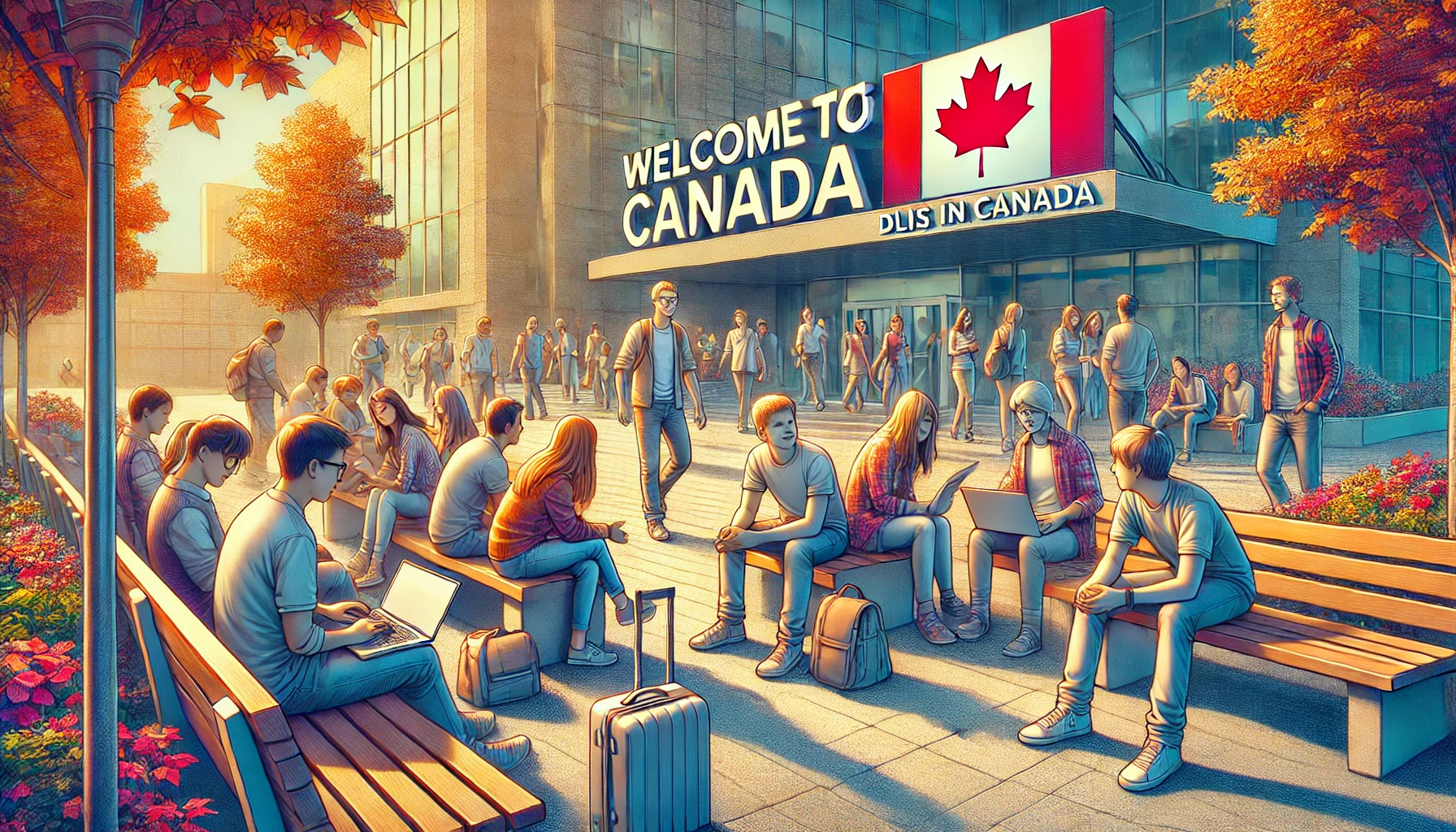
Immigration, Refugees and Citizenship Canada (IRCC) has introduced new measures to assist international students planning to transfer between Designated Learning Institutions (DLIs) in early 2025. These transitional measures aim to simplify the process and minimize disruptions to students’ academic journeys.
Key Changes for Transferring Students
Starting in the winter and spring semesters of 2025, international students in Canada can commence their studies at a new DLI before receiving a new study permit, provided they meet specific conditions:
- Acceptance at a New DLI: Students must have secured admission to a new DLI for the winter or spring 2025 intake.
- Application for Study Permit Extension: An application to IRCC for a new study permit through a study permit extension must be submitted.
- Valid Current Study Permit: The existing study permit should not list the name of the new DLI.
- Compliance with Study Permit Conditions: Students must continue to adhere to all terms of their current study permit.
Previously, international students were required to obtain approval for a new study permit before transferring to a different DLI. This change allows for a more seamless transition between institutions.
Implications for Post-Graduation Work Permit (PGWP) Eligibility
The timing of the study permit application and the chosen level of study can influence eligibility for the Post-Graduation Work Permit (PGWP):
- Applications Submitted Before November 1, 2024:
- University Bachelor’s, Master’s, or Doctoral Programs: No additional field of study requirements.
- Other University Programs: No additional field of study requirements.
- College or Non-University Programs: No additional field of study requirements.
- Applications Submitted After November 1, 2024:
- University Bachelor’s, Master’s, or Doctoral Programs: No additional field of study requirements.
- Other University Programs: Must graduate from an eligible field of study.
- College or Non-University Programs: Must graduate from an eligible field of study.
Additionally, all international students applying for a PGWP must meet new language eligibility criteria. This includes demonstrating language proficiency through an IRCC-approved language test in English or French. University program students need a Canadian Language Benchmark (CLB) level 7, while college or non-university program students require a CLB level 5.
Standard Process for Future Transfers
For students planning to transfer DLIs after the winter or spring 2025 semesters, different conditions will apply:
- Residency in Canada: Students must have remained in Canada since receiving a letter of admission from the new DLI.
- Compliance with Previous Study Permit Conditions: Ongoing adherence to the terms of the previous study permit is required.
- Status of Previous DLI: Before completing their prior course or program, the former DLI must have either closed, discontinued the course or program, been placed on the suspension list, or lost its designated status.
These measures are designed to provide flexibility and support to international students during their academic transitions within Canada.
Additional Resources
For more detailed information on Canada’s international student program regulations for 2025, you can refer to this resource: Canada International Student Program Regulations 2025.
Additionally, for insights into Canada’s new immigration pathways and eligibility criteria, consider this guide: Canada’s New Immigration Pathways: RCIC & FCIC Eligibility Criteria.
FAQs
What are the new measures for international students changing DLIs in 2025?
IRCC now allows international students to begin studies at a new DLI before receiving a new study permit, provided they meet specific conditions, including acceptance at the new DLI, application for a study permit extension, holding a valid current study permit, and compliance with existing study permit conditions.
How does transferring DLIs affect PGWP eligibility?
PGWP eligibility may be influenced by the timing of the study permit application and the level of study. Applications submitted after November 1, 2024, may require graduation from an eligible field of study, and all applicants must meet new language proficiency criteria.
What conditions must be met to start studying at a new DLI before receiving a new study permit?
Students must have been accepted at the new DLI for the winter/spring 2025 semester, applied for a new study permit via a study permit extension, hold a valid study permit that does not have the new DLI’s name, and continue to meet all existing conditions of their study permit.
What are the language proficiency requirements for PGWP applicants?
University program students must demonstrate language proficiency equivalent to a Canadian Language Benchmark (CLB) level 7, while college or non-university program students require a CLB level 5, proven through an IRCC-approved language test.
What is the standard process for transferring DLIs after the winter/spring 2025 semester?
Students must have remained in Canada since receiving a letter of admission from the new DLI, continue to meet the conditions of their previous study permit, and their old DLI must have either closed, discontinued the course or program, been placed on the suspension list, or lost its designated status.
Immigration
IRCC to End Flagpoling: What Temporary Residents Need to Know

Immigration, Refugees, and Citizenship Canada (IRCC) plans to end the practice of flagpoling. Immigration Minister Marc Miller announced this change on December 17, 2024.
Flagpoling involves temporary residents leaving Canada and immediately re-entering to receive same-day immigration services at a port of entry. This method allowed applicants to bypass regular online application wait times for work or study permits.
Minister Miller stated that eliminating flagpoling will reduce pressure on border services, enabling officials to focus on other priorities. He emphasized that closing this loophole strengthens the integrity of Canada’s immigration system. While no specific implementation date was provided, Miller indicated that IRCC aims to enforce this change as soon as possible.
Earlier this year, Canadian and U.S. border authorities limited flagpoling by reducing service hours at 12 border crossings. In June 2024, IRCC ended flagpoling services for Post-Graduation Work Permit (PGWP) applicants, who previously comprised about 20% of all flagpolers.
Throughout 2024, IRCC has faced a significant backlog of applications, with many applicants experiencing extended processing times. The department defines a backlogged application as one exceeding its published service standards, aiming to process 80% of applications within these timeframes.
FAQs
What is flagpoling?
Flagpoling is when temporary residents leave Canada and immediately re-enter to receive same-day immigration services at a port of entry, bypassing regular online application wait times.
Why is IRCC ending flagpoling?
IRCC aims to reduce pressure on border services and strengthen the integrity of the immigration system by eliminating flagpoling.
When will the change take effect?
The exact implementation date is unspecified, but IRCC plans to enforce the change as soon as possible.
How will this affect temporary residents?
Temporary residents will need to apply online to extend their stay, as same-day border services through flagpoling will no longer be available.
What alternatives are available for urgent applications?
Applicants should consult IRCC’s official guidelines for expedited processing options or seek advice from authorized immigration representatives.

Canada PR: Pathways for Low CRS Score Applicants
Canada’s Passport Shines in 2025
Quebec Re-Opens Immigration Pilot Programs: Opportunities for Skilled Workers in 2025
-

 Hindi1 year ago
कनाडा की 2025-2027 Immigration Levels योजना: कम किए गए लक्ष्य और प्रमुख परिवर्तन
-

 Hindi1 year ago
कनाडा अपनी immigration system क्यों बदल रहा है?
-

 Video1 year ago
Exploring Canada: Geography, History, and Must-See Attractions
-
Immigration1 year ago
Why Canada’s changing its immigration system?
-

 Immigration1 year ago
2025 Changes to Work Experience Requirements in PNP
-

 Immigration1 year ago
New Opportunities: Canada’s 2025 Immigration Pathways
-

 Immigration1 year ago
Post-Graduation Opportunities for International Students in Canada in 2025
-

 Immigration1 year ago
IRCC to End Flagpoling: What Temporary Residents Need to Know
Pingback: How to Manage Finances as an International Student in Canada in 2025 - canadawale.in